Yeremia 50:39
“Kwa hiyo, viumbe vya jangwani na fisi wataishi humo, nao bundi watakaa humo. Kamwe haitakaliwa tena wala watu hawataishi humo kizazi hadi kizazi.This verse in the real world
Where
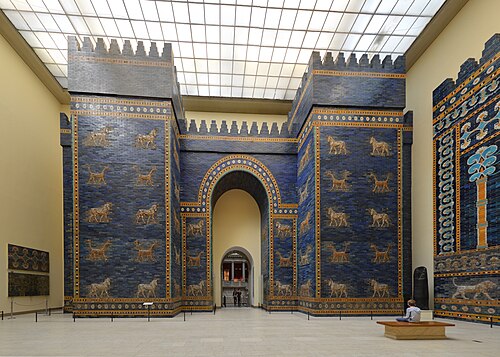
In what words
- אִיʼîya howler (used only in the plural), i.e. any solitary wild creature
- יַעֲנָהyaʻănâh{the ostrich (probably from its answering cry}
- צִיִּיtsîyîya desert-dweller, i.e. nomad or wild beast
- נֶצַחnetsachproperly, a goal, i.e. the bright object at adistance travelled towards; hence (figurative
- דּוֹרdôwrproperly, a revolution of time, i.e. an age or generation; also a dwelling
- שָׁכַןshâkanto reside or permanently stay (literally or figuratively)
- בַּתbatha daughter (used in the same wide sense as other terms of relationship, literally and figu
- יָשַׁבyâshabproperly, to sit down (specifically as judge. in ambush, in quiet); by implication, to dwe
The Hebrew and Greek words standing behind this verse. Word-by-word alignment comes with the interlinear.
Cross-references
Rev 18:2, Isa 13:20–22, Jer 25:12, Jer 50:12–13, Isa 14:23, Jer 51:62–64, Jer 51:26, Rev 18:21–24