ʻEsela 6:1
Pea naʻe toki fai ai ʻe Talaiasi ha fono, pea naʻe kumi ʻi he fale ʻoe ngaahi tohi ʻaia naʻe hili ai ʻae ngaahi koloa ʻo Papilone.Este versículo en el mundo real
Dónde
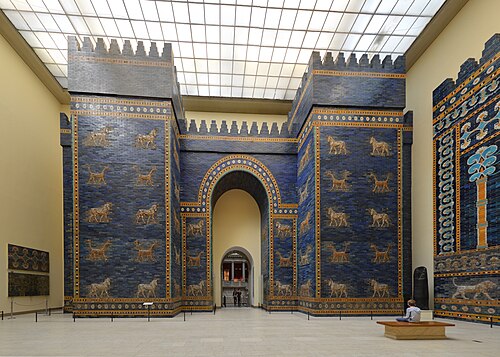
Quién
En qué palabras
- גְּנַזgᵉnaztreasure
- תָּםtâmthere
- סְפַרçᵉphara book
- בְּקַרbᵉqar{properly, to plough, or (generally) break forth, i.e. (figuratively) to inspect, admire,
- נְחַתnᵉchathto descend; causatively, to bring away, deposit, depose
- דָּֽרְיָוֵשׁDârᵉyâvêsh{Darejavesh, a title (rather than name) of several Persian kings}
- טְעֵםṭᵉʻêmproperly, flavor; figuratively, judgment (both subjective and objective); hence, account (
- שׂוּםsûwm{to put (used in a great variety of applications, literal, figurative, inferentially, and
+3 palabras más en este versículo
Las palabras hebreas y griegas que hay detrás de este versículo. La correspondencia palabra por palabra llegará con la interlineal.
Qué queda de ello
- The Behistun InscriptionNombrado fuera de la BibliaDarius, the king Ezra and Haggai date their events by, left his own account of his reign — and the same stone is what made Akkadian readable.