Siosiua 16:8
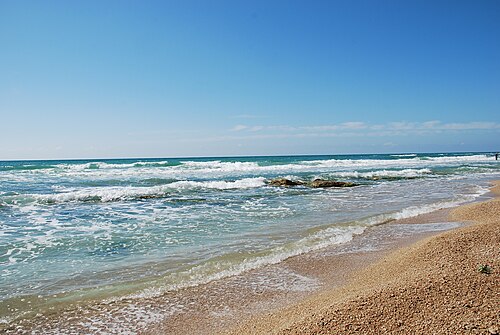
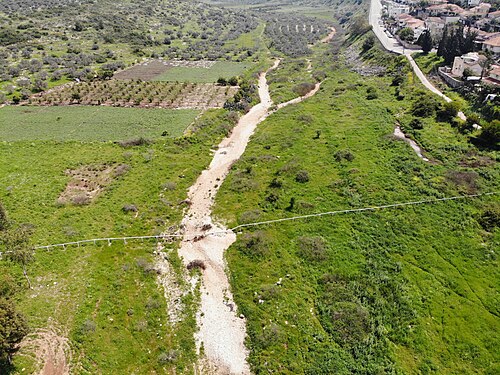
Pea naʻe ʻalu hono ngataʻanga mei Tapua ʻi he potu lulunga ʻo aʻu atu ki he vaitafe ko Kana; pea ko hono ngataʻanga ʻo ia ko e tahi. Ko eni ʻae tofiʻa ʻoe faʻahinga ʻoe fānau ʻa ʻIfalemi ʻi honau ngaahi faʻahinga.This verse in the real world
Who
In what words
- קָנָהQânâhKanah, the name of a stream and of a place in Palestine
- תַּפּוּחַTappûwachTappuach, the name of two places in Palestine, also of an Israelite
- תּוֹצָאָהtôwtsâʼâh(only in plural collective) exit, i.e. (geographical) boundary, or (figuratively) delivera
- נַחַלnachala stream, especially a winter torrent; (by implication) a (narrow) valley (in which a broo
- אֶפְרַיִםʼEphrayimEphrajim, a son of Joseph; also the tribe descended from him, and its territory
- נַחֲלָהnachălâhproperly, something inherited, i.e. (abstractly) occupancy, or (concretely) an heirloom; g
- גְּבוּלgᵉbûwlproperly, a cord (as twisted), i.e. (by implication) a boundary; by extension the territor
- מַטֶּהmaṭṭeha branch (as extending); figuratively, a tribe; also a rod, whether for chastising (figura
+3 more words in this verse
The Hebrew and Greek words standing behind this verse. Word-by-word alignment comes with the interlinear.