ʻIsaia 10:12
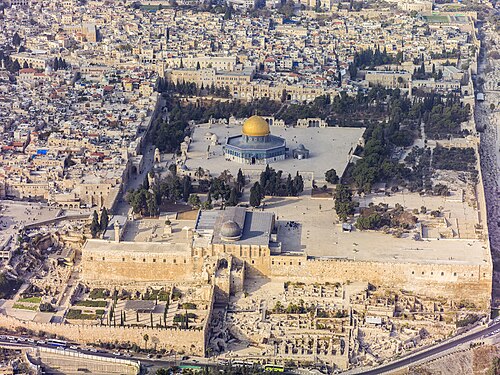
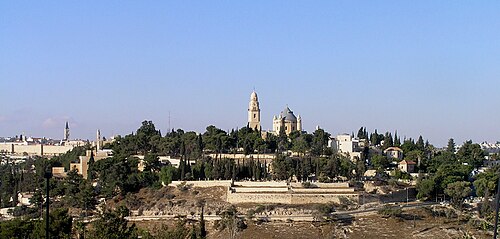
Ko ia ʻe hoko ʻo pehē, “ʻOka fakakakato ʻe he ʻEiki ʻa ʻene ngāue kotoa ʻi he moʻunga ko Saione pea mo Selūsalema, te u tautea ʻae futa ʻoe loto mālohi ʻoe tuʻi ʻo ʻAsilia, pea mo e hihiki ʻo hono mata fielahi.”This verse in the real world
Who
In what words
- רוּםrûwm(literally) elevation or (figuratively) elation
- גֹּדֶלgôdelmagnitude (literally or figuratively)
- בָּצַעbâtsaʻfiguratively, to finish, or (intransitively) stop
- תִּפְאָרָהtiphʼârâhornament (abstractly or concretely, literally or figuratively)
- פְּרִיpᵉrîyfruit (literally or figuratively)
- אַשּׁוּרʼAshshûwrAshshur, the second son of Shem; also his descendants and the country occupied by them (i.
- צִיּוֹןTsîyôwnTsijon (as a permanent capital), a mountain of Jerusalem
- מַעֲשֶׂהmaʻăsehan action (good or bad); generally, a transaction; abstractly, activity; by implication, a
+6 more words in this verse
The Hebrew and Greek words standing behind this verse. Word-by-word alignment comes with the interlinear.
Cross-references
Jer 50:18, Ezk 31:10, Isa 46:10–11, 2Ki 19:31, Isa 10:16–19, Isa 9:9, Isa 2:11, Isa 27:9