Hepelū 9:12
Pea naʻe ʻikai ʻi he toto ʻoe fanga kosi mo e ʻuhikiʻi pulu, ʻa ʻene hū ʻo liunga taha pe ki he potu tapu, ka ʻi hono taʻataʻa ʻoʻona, kuo ne lavaʻi ʻae huhuʻi taʻengata.This verse in the real world
Where
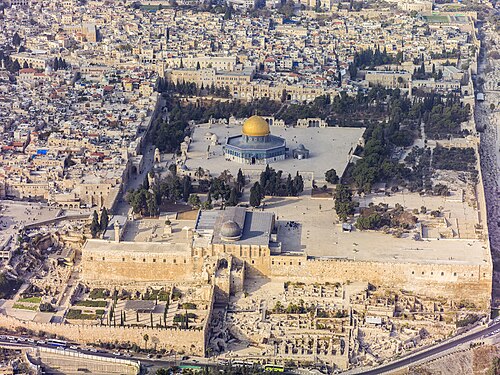
In what words
- ἐφάπαξephápaxupon one occasion (only)
- τράγοςtrágosa he-goat (as a gnawer)
- μόσχοςmóschosa young bullock
- ἅγιονhágiona sacred thing (i.e. spot)
- αἰώνιοςaiṓniosperpetual (also used of past time, or past and future as well)
- αἷμαhaîmablood, literally (of men or animals), figuratively (the juice of grapes) or specially (the
- ἴδιοςídiospertaining to self, i.e. one's own; by implication, private or separate
- οὐδέoudénot however, i.e. neither, nor, not even
+6 more words in this verse
The Hebrew and Greek words standing behind this verse. Word-by-word alignment comes with the interlinear.
Cross-references
Heb 10:4, 1Pe 1:18–19, Heb 9:15, Eph 1:7, Heb 5:9, Heb 9:24–26, Lev 9:15, Rev 1:5