1 Tuʻi 1:3
Ko ia naʻa nau kumi ha fefine mui hoihoifua ʻi he potu fonua kotoa pē ʻo ʻIsileli, pea naʻa nau maʻu ʻa ʻApisaki ko e fefine Sunemi ʻonau ʻomi ia ki he tuʻi.This verse in the real world
Where
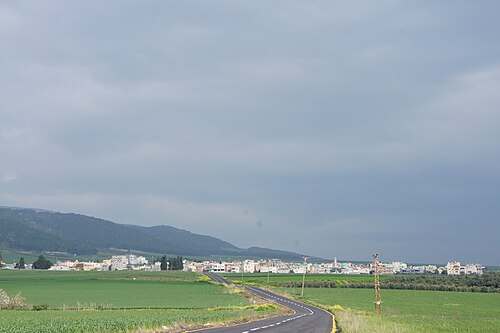
Who
In what words
- אֲבִישַׁגʼĂbîyshagAbishag, a concubine of David
- שׁוּנַמִּיתShûwnammîytha Shunammitess, or female inhabitant of Shunem
- יָפֶהyâphehbeautiful (literally or figuratively)
- נַעֲרָהnaʻărâha girl (from infancy to adolescence)
- גְּבוּלgᵉbûwlproperly, a cord (as twisted), i.e. (by implication) a boundary; by extension the territor
- בָּקַשׁbâqashto search out (by any method, specifically in worship or prayer); by implication, to striv
- מָצָאmâtsâʼproperly, to come forth to, i.e. appear or exist; transitively, to attain, i.e. find or ac
- מֶלֶךְmeleka king
+2 more words in this verse
The Hebrew and Greek words standing behind this verse. Word-by-word alignment comes with the interlinear.