ʻIsikieli 20:47
Pea lea ki he vao ʻakau ʻi he feituʻu tonga, Fanongo ki he folofola ʻa Sihova; ʻOku pehē ʻe Sihova ko e ʻOtua; Vakai, te u tutu ʻae afi ʻiate koe, pea ʻe maumau ai ʻae ʻakau mata kotoa pē ʻoku ʻiate koe, mo e ʻakau mōmoa kotoa pē; ʻe ʻikai fuʻifuʻi ʻae afi ulo, pea ʻe mangia ai ʻae mata kotoa pē, mei he feituʻu tonga ʻo ʻalu ki he tokelau.Ce verset dans le monde réel
Où
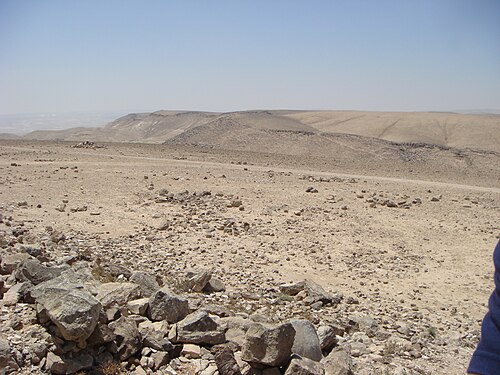
Qui
En quels mots
- שַׁלְהֶבֶתshalhebetha flare of fire
- יָבֵשׁyâbêshdry
- לַחlachfresh, i.e. unused or undried
- כָּבָהkâbâhto expire or (causatively) to extinguish (fire, light, anger)
- לֶהָבָהlehâbâh{a flash; figuratively, a sharply polished blade or point of aweapon}
- יָצַתyâtsathto burn or set on fire; figuratively, to desolate
- יַעַרyaʻara copse of bushes; hence, a forest; hence, honey in the comb (as hived in trees)
- נֶגֶבnegebthe south (from its drought); specifically, the Negeb or southern district of Judah, occas
+11 autres mots dans ce verset
Les mots hébreux et grecs derrière ce verset. La correspondance mot à mot viendra avec l'interlinéaire.
Références croisées
Jer 21:14, Isa 9:18–19, Ezk 17:24, Isa 24:1–6, Luk 23:31, Ezk 21:3–4, Isa 66:24, Ezk 15:6–7