ʻIsikieli 11:24
Pea hili ia naʻe toʻo hake au ʻe he laumālie, pea ʻomi au ʻe he Laumālie ʻoe ʻOtua ʻi he meʻa hā mai ki Kalitia kiate kinautolu ʻoe pōpula. Pea naʻe pehē ʻae mahuʻi ʻiate au ʻae meʻa hā mai ʻaia naʻaku mamata ki ai.Este versículo en el mundo real
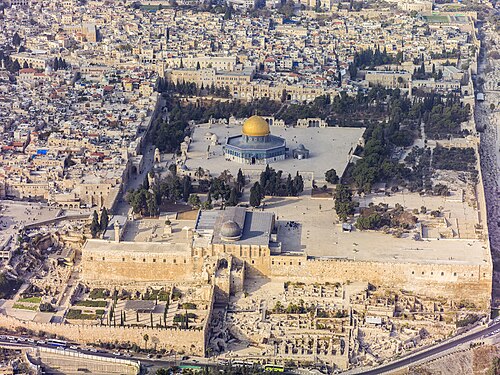
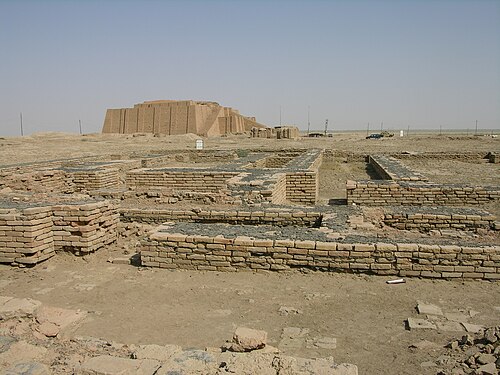
Cuándo
Quién
En qué palabras
- גּוֹלָהgôwlâhexile; concretely and collectively exiles
- כַּשְׂדִּיKasdîya Kasdite, or descendant of Kesed; by implication, a Chaldaean (as if so descended); also
- מַרְאֶהmarʼeha view (the act of seeing); also an appearance (the thing seen), whether (real) a shape (e
- רוּחַrûwachwind; by resemblance breath, i.e. a sensible (or even violent) exhalation; figuratively, l
- נָשָׂאnâsâʼto lift, in a great variety of applications, literal and figurative, absolute and relative
- רָאָהrâʼâhto see, literally or figuratively (in numerous applications, direct and implied, transitiv
- אֱלֹהִיםʼĕlôhîymgods in the ordinary sense; but specifically used (in the plural thus, especially with the
- בּוֹאbôwʼto go or come (in a wide variety of applications)
Las palabras hebreas y griegas que hay detrás de este versículo. La correspondencia palabra por palabra llegará con la interlineal.