2. Könige 24:10
Zu jener Zeit zogen die Knechte Nebukadnezars, des Königs von Babel, gen Jerusalem herauf, und die Stadt ward belagert.Este versículo en el mundo real
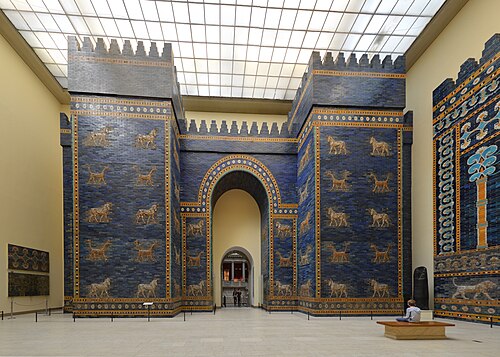
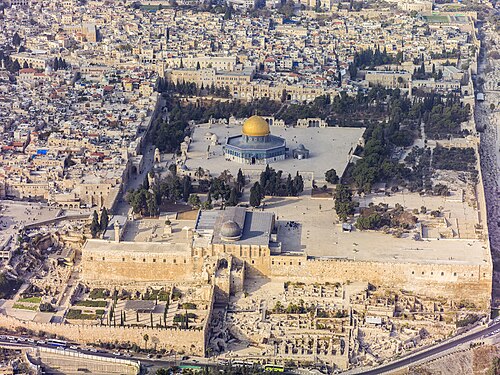
Cuándo
Quién
En qué palabras
- מָצוֹרmâtsôwrsomething hemming in, i.e. (objectively) a mound (of besiegers), (abstractly) a siege, (fi
- נְבוּכַדְנֶאצַּרNᵉbûwkadneʼtstsarNebukadnetstsar (or -retstsar, or -retstsor), king of Babylon
- בָּבֶלBâbelBabel (i.e. Babylon), including Babylonia and the Babylonian empire
- עֵתʻêthtime, especially (adverb with preposition) now, when, etc.
- יְרוּשָׁלַ͏ִםYᵉrûwshâlaimJerushalaim or Jerushalem, the capital city of Palestine
- עֶבֶדʻebeda servant
- עָלָהʻâlâhto ascend, intransitively (be high) or actively (mount); used in a great variety of senses
- עִירʻîyra city (a place guarded by waking or a watch) in the widest sense (even of a mere encampme
+2 palabras más en este versículo
Las palabras hebreas y griegas que hay detrás de este versículo. La correspondencia palabra por palabra llegará con la interlineal.
Qué queda de ello
- The Babylonian Chronicle — Jerusalem taken, 16 March 597 BCFecha fijaThe first fall of Jerusalem is datable to a single day — 16 March 597 BC — from Babylon's own records, and the replacement of one king by another matches 2 Kings 24 exactly.