ʻIsikieli 11:15
“Foha ʻoe tangata, ko ho kāinga, ʻio, ho kāinga ʻoʻou, ʻae kau tangata ʻo ho faʻahinga, pea mo e fale kātoa kotoa ʻa ʻIsileli, ko kinautolu ia kuo pehē ki ai ʻae kakai ʻo Selūsalema, ‘ʻAlu ke mamaʻo ʻakimoutolu meia Sihova: he ko kimoutolu kuo foaki ki ai ʻae fonua ni ko e tofiʻa.’Dieser Vers in der wirklichen Welt
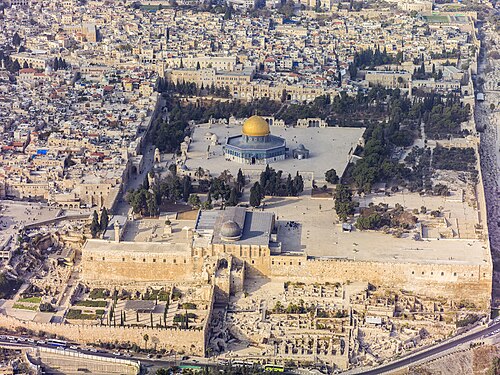
Wer
In welchen Worten
- גְּאֻלָּהgᵉʼullâhredemption (including the right and the object); by implication, relationship
- רָחַקrâchaqto widen (in any direction), i.e. (intransitively) recede or (transitively) remove (litera
- אָדָםʼâdâmruddy i.e. a human being (an individual or the species, mankind, etc.)
- אֱנוֹשׁʼĕnôwsha man in general (singly or collectively)
- אָחʼâcha brother (used in the widest sense of literal relationship and metaphorical affinity or r
- יְרוּשָׁלַ͏ִםYᵉrûwshâlaimJerushalaim or Jerushalem, the capital city of Palestine
- יָשַׁבyâshabproperly, to sit down (specifically as judge. in ambush, in quiet); by implication, to dwe
- בַּיִתbayitha house (in the greatest variation of applications, especially family, etc.)
+6 weitere Wörter in diesem Vers
Die hebräischen und griechischen Wörter hinter diesem Vers. Die Wort-für-Wort-Zuordnung kommt mit der Interlinearversion.