ʻIsikieli 26:7
He ʻoku pehē ʻe Sihova ko e ʻOtua: “Vakai te u ʻomi ki Taia ʻa Nepukalesa ko e tuʻi ʻo Papilone, ko e tuʻi ʻi he ngaahi tuʻi, mei he tokelau, ʻe haʻu mo e hoosi, pea mo e saliote, pea mo e kau heka hoosi, mo e ngaahi matatau, mo e kakai tokolahi.Ang talatang ito sa totoong mundo
Kailan
Sa anong mga salita
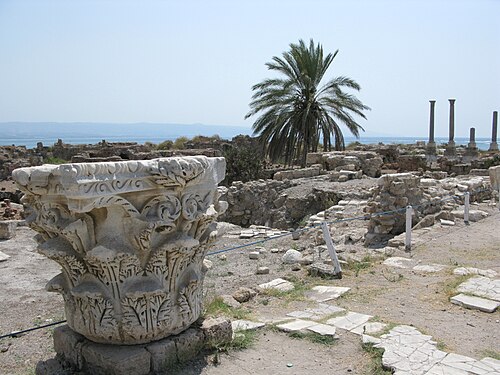
- צֹרTsôrTsor, a place in Palestine
- פָּרָשׁpârâsha steed (as stretched out to a vehicle, not single nor for mounting ); also (by implicatio
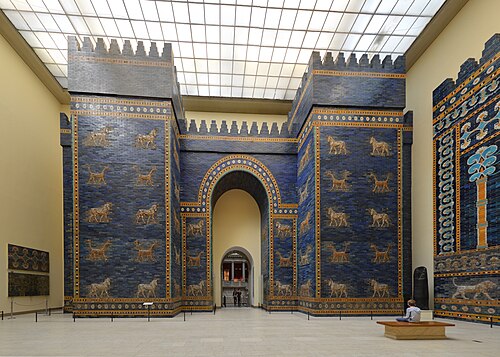
- נְבוּכַדְנֶאצַּרNᵉbûwkadneʼtstsarNebukadnetstsar (or -retstsar, or -retstsor), king of Babylon
- רֶכֶבrekeba vehicle; by implication, a team; by extension, cavalry; by analogy a rider, i.e. the upp
- קָהָלqâhâlassemblage (usually concretely)
- סוּסçûwça horse (as leaping); also a swallow (from its rapid flight)
- צָפוֹןtsâphôwnproperly, hidden, i.e. dark; used only of the north as aquarter (gloomy and unknown)
- בָּבֶלBâbelBabel (i.e. Babylon), including Babylonia and the Babylonian empire
+6 pang salita sa talatang ito
Ang mga salitang Hebreo at Griyego sa likod ng talatang ito. Ang salita-sa-salitang pagtutugma ay darating kasama ng interlinear.