1 Tuʻi 12:27
Kapau ʻe ʻalu hake ʻae kakai ni ke fai ʻae feilaulau ʻi he fale ʻo Sihova ʻi Selūsalema, ʻe toki liliu atu ai ʻae loto ʻoe kakai ni ki honau ʻeiki, ʻio, kia Lehopoami ko e tuʻi ʻo Siuta, pea te nau tāmateʻi au, mo toe ʻalu kia Lehopoami ko e tuʻi ʻo Siuta.”Ang talatang ito sa totoong mundo
Saan
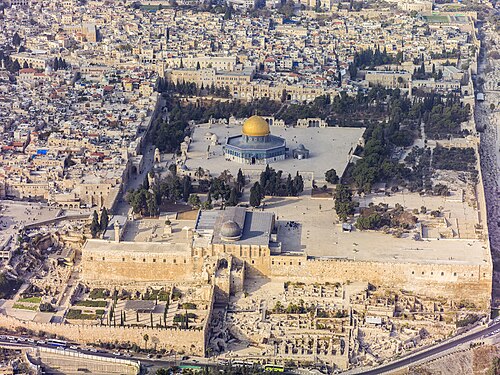
Kailan
Sa anong mga salita
- רְחַבְעָםRᵉchabʻâmRechabam, an Israelite king
- הָרַגhâragto smite with deadly intent
- זֶבַחzebachproperly, a slaughter, i.e. the flesh of an animal; by implication, a sacrifice (the victi
- אָדוֹןʼâdôwnsovereign, i.e. controller (human or divine)
- לֵבlêbthe heart; also used (figuratively) very widely for the feelings, the will and even the in
- יְרוּשָׁלַ͏ִםYᵉrûwshâlaimJerushalaim or Jerushalem, the capital city of Palestine
- יְהוּדָהYᵉhûwdâhJehudah (or Judah), the name of five Israelites; also of the tribe descended from the firs
- עָלָהʻâlâhto ascend, intransitively (be high) or actively (mount); used in a great variety of senses
+6 pang salita sa talatang ito
Ang mga salitang Hebreo at Griyego sa likod ng talatang ito. Ang salita-sa-salitang pagtutugma ay darating kasama ng interlinear.
Mga kaugnay na talata
Deu 16:6, Deu 12:5–7, Pro 29:25, Deu 12:14, 1Co 1:19–20, Gen 26:7, 1Ki 11:32, 1Ki 8:44