Lucas 4:16
Ele foi a Nazaré, onde havia sido criado, e entrou, conforme o seu costume, num dia de Sábado, na sinagoga; e levantou-se para ler.Mstari huu katika ulimwengu halisi
Wapi
Kwa maneno gani
- ἔθωéthōto be used (by habit or conventionality); neuter perfect participle usage
- τρέφωtréphōbut perhaps strengthened from the base of G5157 (τροπή) through the idea of convolution);
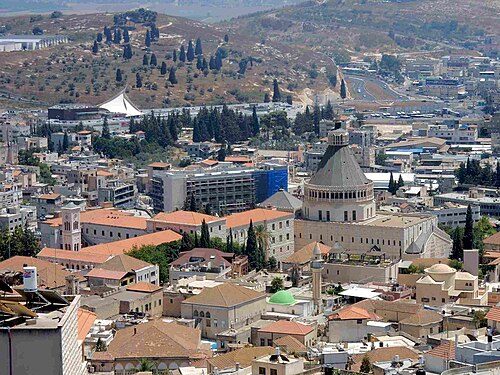
- ΝαζαρέθNazaréthNazareth or Nazaret, a place in Palestine
- οὗhoûat which place, i.e. where
- σάββατονsábbatonthe Sabbath (i.e. Shabbath), or day of weekly repose from secular avocations (also the obs
- συναγωγήsynagōgḗan assemblage of persons; specially, a Jewish "synagogue" (the meeting or the place); by a
- ἀνίστημιanístēmito stand up (literal or figurative, transitive or intransitive)
- εἰσέρχομαιeisérchomaito enter (literally or figuratively)
+maneno 8 zaidi katika mstari huu
Maneno ya Kiebrania na Kiyunani yaliyo nyuma ya mstari huu. Ulinganisho wa neno kwa neno utakuja na tafsiri ya mstari-kwa-mstari.
Kilichobaki
- The Theodotus synagogue inscriptionImethibitishwa na ardhiSynagogues used for scripture reading and teaching, and hosting travellers, existed in first-century Jerusalem — the institutional setting the Gospels and Acts take for granted.
Marejeleo mtambuka
Mat 2:23, Mrk 6:1–3, Mat 13:54–55, Act 17:2, Act 13:14–16, Luk 2:51, Luk 4:21, Jhn 18:20