ʻIsaia 66:19
“Pea te u ai ha fakaʻilonga ʻiate kinautolu, pea te u fekau ʻakinautolu ʻoku hao ʻiate kinautolu ki he ngaahi puleʻanga, ki Tasisi, mo Puli, mo Luti, ʻakinautolu ʻoku teke ʻae kaufana, ki Tupale, mo Savani, ki he ngaahi motu mamaʻo, ʻaia ʻoku teʻeki ai ke fanongo ki hoku ongoongo, pea teʻeki ai ke mamata ki hoku nāunau; pea te nau fakahā hoku nāunau ki he kakai Senitaile.This verse in the real world
In what words
- פּוּלPûwlPul, the name of an Assyrian king and of an Ethiopian tribe
- לוּדLûwdLud, the name of two nations
- תּוּבַלTûwbalTubal, a postdiluvian patriarch and his posterity
- יָוָןYâvânJavan, the name of a son of Joktan, and of the race (Ionians, i.e. Greeks) descended from
- שֵׁמַעshêmaʻsomething heard, i.e. a sound, rumor, announcement; abstractly, audience
- פָּלִיטpâlîyṭa refugee
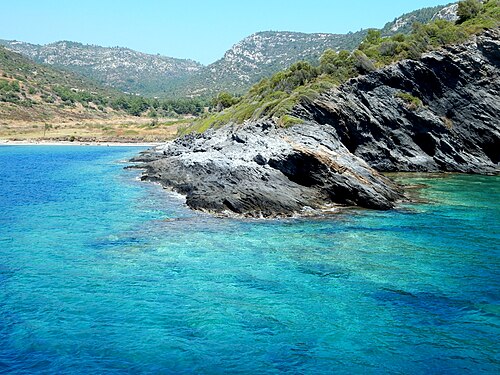
- תַּרְשִׁישׁTarshîyshTarshish, a place on the Mediterranean, hence, the ephithet of a merchant vessel (as if fo
- אִיʼîyproperly, a habitable spot (as desirable); dry land, a coast, an island
+11 more words in this verse
The Hebrew and Greek words standing behind this verse. Word-by-word alignment comes with the interlinear.