ʻIsikieli 32:16
Ko eni ʻae tangilāulau, ʻaia te nau tangi mamahi ai koeʻuhi ko ia: ʻe mamahi koeʻuhi ko ia ʻae ʻofefine ʻoe ngaahi puleʻanga: te nau mamahi koeʻuhi ko ia, ʻio, ʻa ʻIsipite, pea mo hono kakai kotoa pē, ʻoku pehē ʻe Sihova ko e ʻOtua.”This verse in the real world
Where
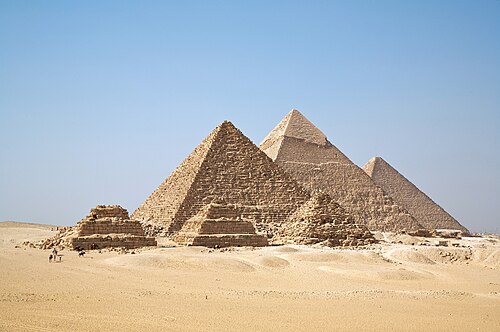
Who
In what words
- קוּןqûwnto strike a musical note, i.e. chant or wail (at a funeral)
- קִינָהqîynâha dirge (as accompanied by beating the breasts or on instruments)
- הָמוֹןhâmôwna noise, tumult, crowd; also disquietude, wealth
- נְאֻםnᵉʼuman oracle
- אֲדֹנָיʼĂdônâythe Lord (used as a proper name of God only)
- גּוֹיgôwya foreign nation; hence, a Gentile; also (figuratively) a troop of animals, or a flight of
- בַּתbatha daughter (used in the same wide sense as other terms of relationship, literally and figu
- מִצְרַיִםMitsrayimMitsrajim, i.e. Upper and Lower Egypt
The Hebrew and Greek words standing behind this verse. Word-by-word alignment comes with the interlinear.